
How to Tell When Someone is Bluffing in Poker | Top 5 Poker Bluffing Tells

By Don • Last updated February 23, 2026
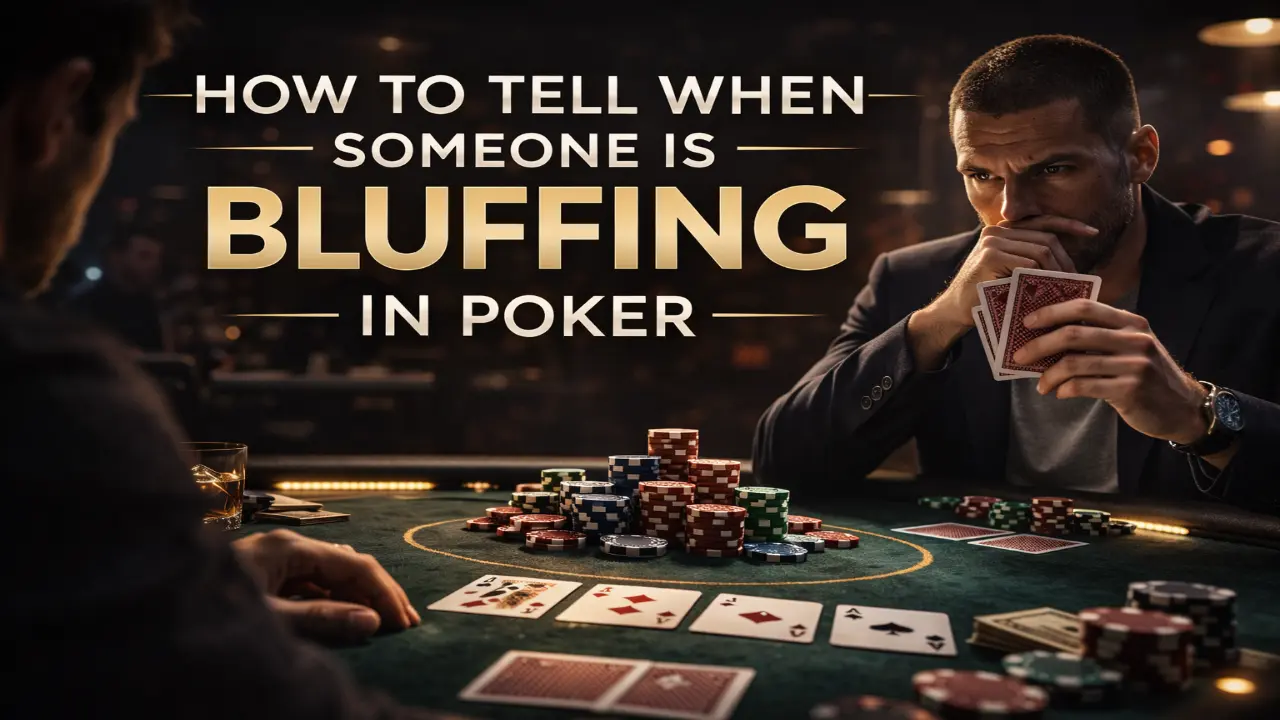
Want to know how to tell when someone is bluffing in poker? Learn the most common poker bluffing tells, from physical behaviors to betting patterns, and start reading opponents with confidence.
How to Tell if Your Opponent is Bluffing in Poker
Some of the More Obvious Tells in Poker Are Betting, Behavior and Timing Changes
If you’ve ever stared across the table and thought, “He’s bluffing… I just know it,” you’re not alone. Learning how to tell when someone is bluffing in poker isn’t about mystical instincts it’s about recognizing patterns. Knowing how to read a bluff is a skill not a guessing game.
The biggest mistake players make when trying to spot poker bluffing tells is focusing only on physical behavior. Yes, live tells matter. But betting patterns, timing, and emotional shifts are often far more reliable than a shaking hand.
Let’s break down three of the more obvious categories of tells you’ll encounter at the table.
Betting Pattern Inconsistencies
Strong players build consistent betting lines. Weak players don’t.
When someone suddenly:
- Overbets a dry board they would normally check
- Makes a large river bet after playing passively
- Uses a sizing that doesn’t represent value
That’s often where the cracks appear. Many bluffs are disguised as aggression, but they lack story cohesion. If the line doesn’t make sense, there’s a decent chance the hand doesn’t either.
This is one of the most reliable forms of bluffing tells in poker, especially online where physical cues don’t exist.
Sudden Behavioral Changes
In live poker, people reveal more than they realize.
- A normally talkative player who suddenly goes silent…
- A relaxed opponent who stiffens after the river card…
- Someone who avoids eye contact after making a big bet…
These are classic physical poker tells. The key isn’t the behavior itself it’s the change from baseline. Every player has a default rhythm. When that rhythm breaks, pay attention.
Strong hands tend to relax players. Bluffs tend to create tension.
Timing Tells
Timing is massively underrated in modern games.
Quick river jams can mean one of two extremes:
“I have it and don’t want to look weak.”
“I don’t want to think about this because I’m bluffing.”
Long, theatrical tanks followed by big bets are often attempts to sell strength. Real strength doesn’t need to act.
Whether live or online, timing can be one of the most revealing common poker tells if you’re observant enough.
The truth is, spotting a bluff isn’t about catching one dramatic twitch. It’s about collecting small data points over time. When multiple signals line up, such as inconsistent betting, tension or awkward timing, that’s when you make the call.
And if you want to master how to read poker players, you have to start by watching more than your own cards.
Read on to see the top 5 bluffing tells in poker.
Top 5 Poker Bluffing Tells
| Jump to Each Poker Bluffing Tell | ||||
|---|---|---|---|---|
 #1 Betting Story Doesn’t Add Up
|
 #2 Sudden Over-Aggression
|
 #3 Physical Tension
|
 #4 Unnatural Stillness
|
 #5 Defensive Talking
|
#1 Betting Story Doesn’t Add Up
If you only remember one thing about how to tell when someone is bluffing in poker, make it this: hands tell stories.
Strong players build logical betting lines. Bluffs often fall apart by the river.
Let’s say your opponent check-calls flop and turn on a dry board then suddenly rips a massive river bet. Ask yourself: What value hand plays this way? If the line doesn’t make sense for a strong holding, it’s frequently one of the clearest bluffing tells in poker.
Bluffers are trying to represent strength. But under pressure, they often choose bet sizes or timing that don’t match how real value hands would behave.
You don’t need Hollywood-level live reads. You just need to ask:
Does this line logically represent strength?
If it doesn’t, your opponent might not have it.
#2 Sudden Over-Aggression
Most players have a comfort zone. Some are passive. Some are steady and balanced. Some are tight and controlled.
When someone suddenly shifts gears out of nowhere especially on scary boards, that spike in aggression can be a red flag.
- A tight player triple-barreling a coordinated board.
- A passive player check-raising all-in on the river.
- A nit overbetting pot with no prior history of big bluffs.
This kind of shift is one of the most common poker bluffing tells because it’s emotional. Bluffing requires courage and sometimes ego. Players overcompensate to make their hand look strong.
Strong hands are confident.
Bluffs often feel forced.
That difference shows up in bet sizing.
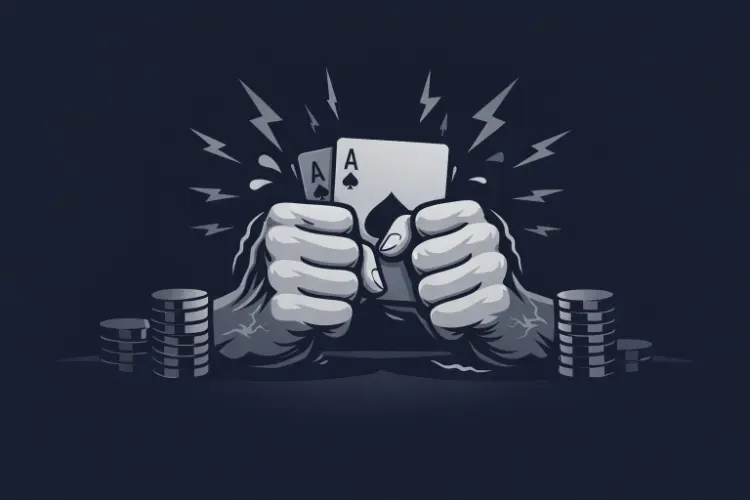
#3 Physical Tension
Live players leak here constantly.
When someone is bluffing in poker, their body often betrays them before their chips do.
Watch for:
- Shallow breathing
- Pulsing neck veins
- Hands gripping chips too tightly
- Sudden stiffness
Nervous energy doesn’t mean weakness, it means stress. And bluffing is stressful.
Now here’s where most players mess up: they assume shaking hands mean a bluff. Often, it’s the opposite. Players shake when adrenaline hits and that happens with big hands too.
The key isn’t “Are they nervous?”
The key is “Are they more tense than usual?”
Always compare to baseline. That’s how real physical poker tells work.
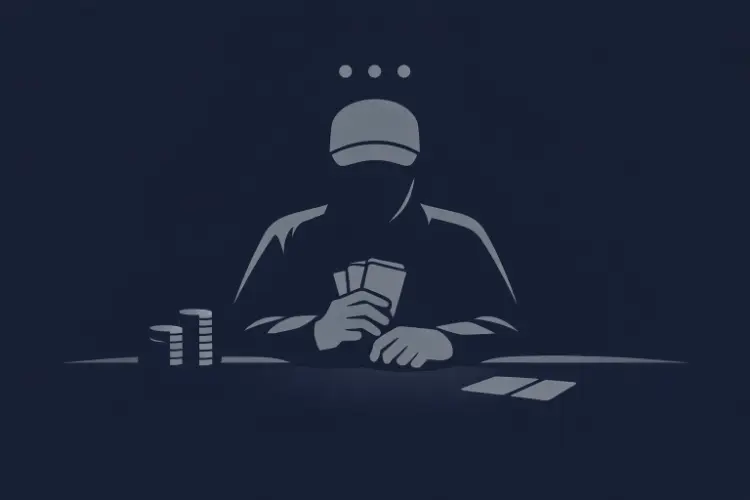
#4 Unnatural Stillness
This one surprises people.
When someone suddenly freezes, stops talking, stops moving or stares at one spot, they may be trying to look strong.
Bluffers sometimes over-correct. They think movement equals weakness, so they go statue mode.
But natural strength doesn’t need performance. When a player is relaxed with a monster, they often appear normal. Maybe even casual.
If someone looks like they’re auditioning for a poker movie after betting big, that exaggerated composure can be one of the subtler common poker tells.
Overacting is a tell.
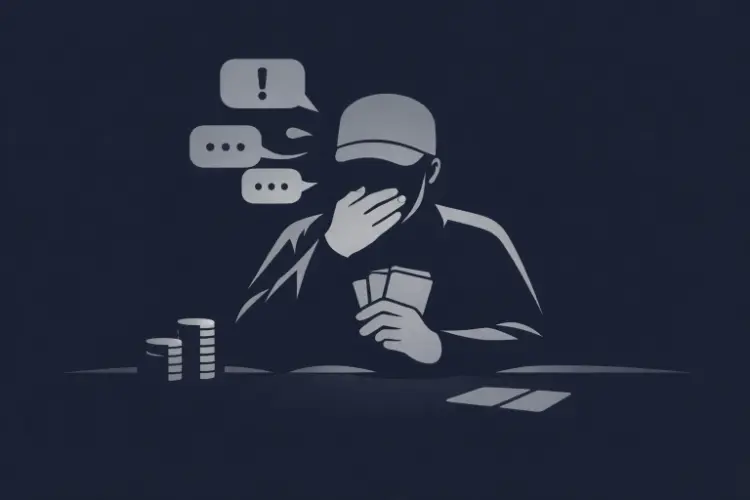
#5 Defensive Talking
This one is gold in live games.
Bluffers often talk themselves into strength.
They’ll say things like:
- “I guess I’ll put you all-in.”
- “You probably have it, but…”
- “I don’t think you can call.”
That defensive or probing language is rarely necessary with real strength.
Strong hands don’t need reassurance.
Bluffs sometimes do.
If someone is suddenly trying to control the narrative especially on the river pay attention. Verbal pressure can be one of the most revealing bluffing tells poker players overlook.
Bonus Poker Bluffing Tells
Some are Less Common Tells, but Obvious When You See Them
Some tells don’t show up often but when they do, they’re loud.
1. Chip Handling Changes
A player who carefully stacks chips all night suddenly splashes the pot. That shift can signal discomfort.
2. Fake Indifference
The classic “I don’t care” shrug after a big bet. Real indifference doesn’t announce itself.
3. Eye Contact Reversal
Some players avoid eye contact when bluffing. Others lock in too hard, trying to intimidate. Both extremes can be clues.
These aren’t guaranteed signals. No single tell confirms a bluff.
But when you combine:
- A betting story that doesn’t add up
- Sudden aggression
- Physical tension
- Awkward timing
- Defensive speech
You start building a real read.
Strong poker players figure out how to tell if someone is bluffing through carful observation, not guesswork.
How Important is Bluffing in Poker?
Bluffing is an Important Factor in Poker
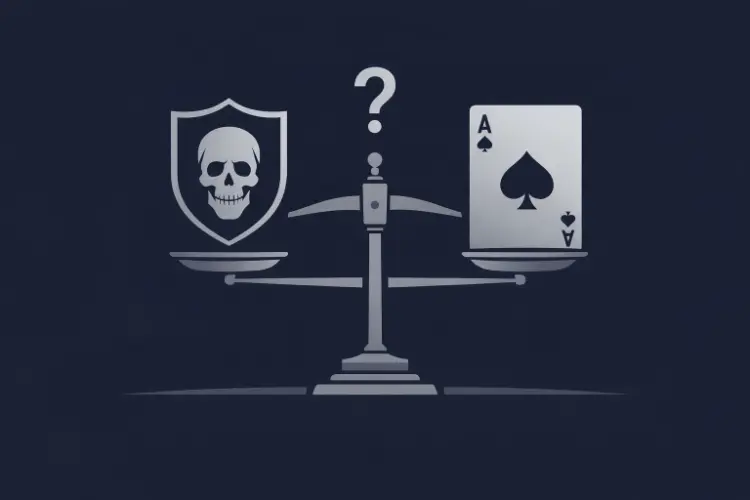
Here’s the truth most beginners don’t want to hear:
You can’t win consistently without bluffing.
And you can’t beat good players if you don’t understand how to execute and spot bluffing in poker.
Bluffing isn’t about flashy all-ins or Hollywood hero moves. It’s about balance. If you only bet when you’re strong, you become predictable. And predictable players get exploited fast.
That’s why learning how to tell when someone is bluffing in poker is just as important as learning when to bluff yourself.
Bluffing Creates Pressure
Poker is a pressure game.
When you bluff effectively, you push opponents into undesirable decisions. They can’t just fold every time you show aggression. They have to defend. And that’s where mistakes happen.
But here’s the flip side. If you never recognize bluffing tells, you’ll fold too often. You’ll give up pots you should win. You’ll let aggressive players run you over.
Understanding poker bluffing tells protects your stack.
At Low Stakes vs Higher Stakes
At lower stakes, players bluff less than you think. Many bluffs come from frustration rather than strategy. That makes physical and emotional tells more obvious.
At higher stakes, bluffing becomes more structured. Players balance their ranges. Betting patterns become tighter. That means you rely more on logical inconsistencies than obvious live tells.
In both cases, reading opponents matters.
- Noticing tension.
- Spotting timing shifts.
- Recognizing betting lines that don’t make sense.
That’s how you stay ahead of the curve.
Bluffing Is Psychological Warfare
Poker isn’t just math. It’s people.
Every time someone bets big on the river, they’re asking a question:
“Can you handle this pressure?”
Sometimes the answer should be no.
Sometimes it should absolutely be yes.
The more you understand bluffing tells in poker, the less emotional those decisions become. You’re not guessing. You’re evaluating data.
And that’s when your confidence changes at the table.
How to Tell When Someone is Bluffing in Poker Overview
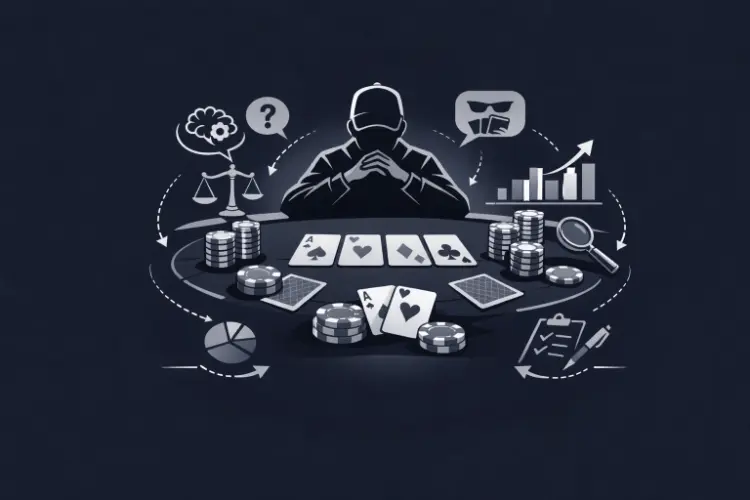
Spotting a bluff isn’t about catching someone blinking too much or staring at their chips. It’s about connecting small pieces of information:
- Betting lines that don’t represent value
- Sudden changes in aggression
- Physical tension or exaggerated stillness
- Defensive or narrative-driven speech
- Timing that feels forced
When those signals stack up, you don’t just hope they’re bluffing you know it’s possible.
Mastering how to tell when someone is bluffing in poker gives you something powerful: control. You stop playing scared. You stop folding automatically to pressure. And you start making decisions based on logic, not fear.
That’s when poker becomes less about cards and more about people.
And the players who understand people?
They’re the ones who win long term.


Leave a Reply